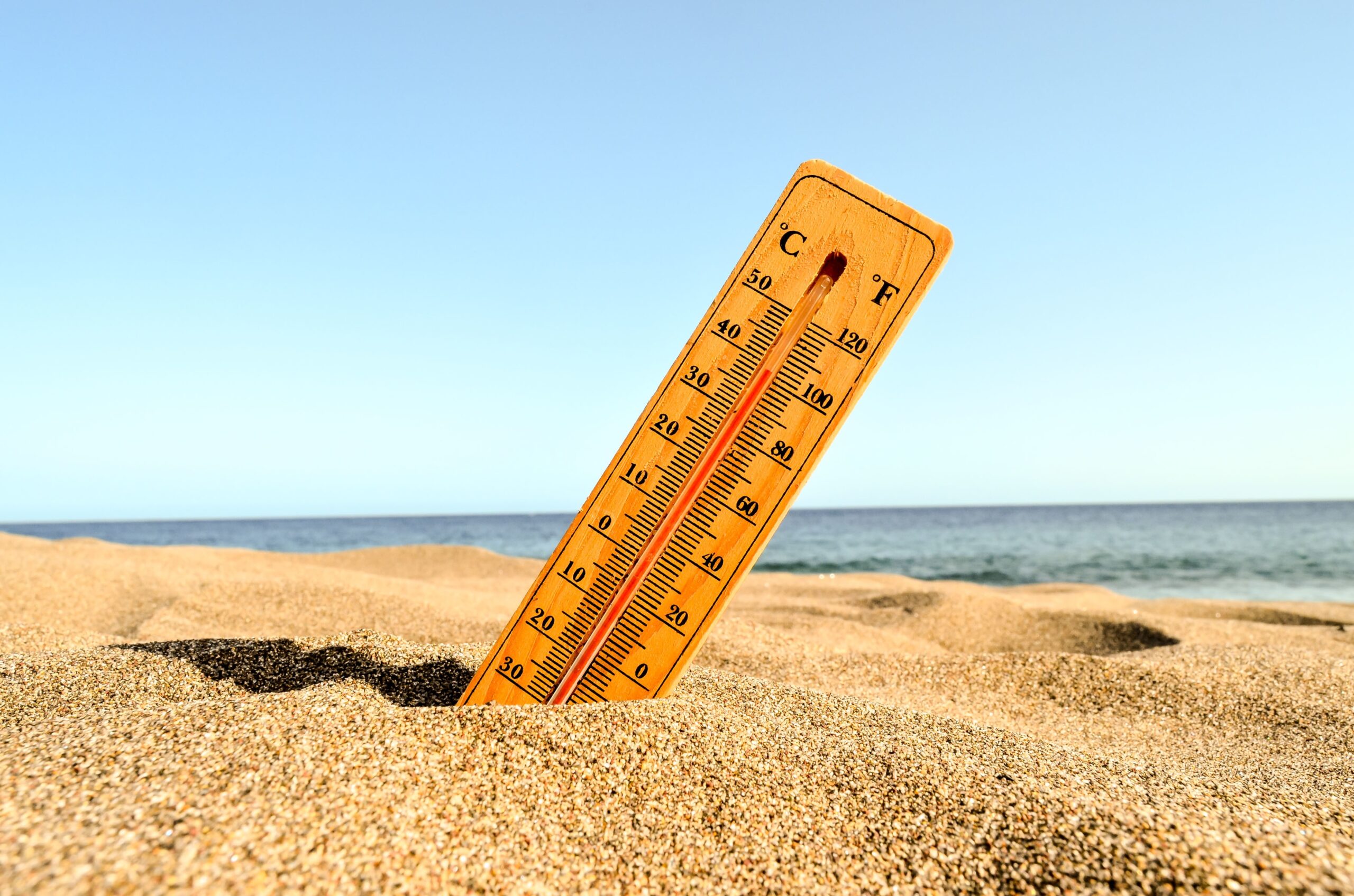

Waterloo region continues to experience ongoing heat waves and humid days this summer. Imprint reached out to Richard Petrone, a professor in the department of geography and environmental management and part of the Hydrometeorology Research Group at UW, to learn more about what the rest of the season might look like.
Predictions for the remainder of the summer
“The odds favour more heat-wave episodes than a cool or normal-feeling summer, but not necessarily uninterrupted heat from July through September,” Petrone said in a written statement to Imprint. He adds that weather modelling suggests an “on/off” pattern of “hot, humid stretches of several days, then breaks from thunderstorms, cold fronts, or lake-modified air.” In urban areas like Kitchener-Waterloo, he says, multi-day humidity and warm nights are a bigger risk than just high daytime temperatures.
Environment and Climate Change Canada predicts a warmer-than-average summer across the country, with climate change “making extreme hot temperatures more frequent and heat waves more severe.” In Southern Ontario, Petrone predicts more heat events this summer, particularly likely “when high pressure sets up for 3+ days.” He adds that the most severe heat events “will be those with high dew points/humidity, because overnight temperatures stay elevated and bodies/buildings do not cool as well due to lower rates of evaporation.”
Overall, Southern Ontario will likely see more heat waves, although breaks in between are expected. “The higher-risk windows are typically late June through August, but early September heat is increasingly plausible too,” Petrone notes.
The future of Canadian summers
As for the future of Canadian summers, Petrone states that the brief heat waves so far are only the beginning. “In the longer term the broader direction is clear: heat waves in Canada are becoming hotter, longer, more frequent, and more widespread,” says Petrone. Climate change is a contributor to the climbing temperatures, increasing heat-wave frequency and their duration. He adds that many cities across Canada are likely to experience “two to four times as many 30°C+ days per year later this century compared with historical conditions.” As we near 2030, Petrone notes, changes in duration and magnitude of the hot weather are expected to increase. The city of Toronto is projected to “see nearly two months of 30°C+ days per year under high-emissions conditions.”